
Fireplace Ignition Systems Guide: Safety & Maintenance
Posted by United Fireplaces on Aug 17th 2026
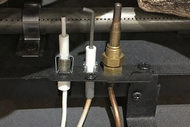
Understanding Different Types of Fireplace Ignition Systems
A fireplace should feel simple: turn it on, enjoy the flame, and relax. Behind that easy moment is an ignition system that determines how the fire starts, how reliably it operates, and what kind of care it needs. Understanding the main fireplace ignition systems helps homeowners make smarter choices about fireplace safety, fireplace maintenance, and everyday use.
What does a fireplace ignition system actually do?
A fireplace ignition system starts the flame in a controlled way and helps deliver fuel safely to the burner. In gas fireplaces, the ignition system works with the gas valve, pilot assembly, thermocouple or flame sensor, and controls to confirm that flame is present before gas continues flowing. In wood-burning setups, the “ignition system” is usually less mechanical, but the fireplace starter still matters because it affects how cleanly and safely the fire begins.
The right system depends on the fireplace type, how often it is used, the home’s power setup, and the owner’s preference for convenience. Some systems are simple and familiar, while others rely on electronic controls or automatic ignition. Each has advantages, but all require proper use and routine inspection.
Standing pilot ignition is traditional and familiar
A standing pilot system keeps a small flame burning continuously. When you turn on the fireplace, that pilot flame lights the main burner. This is one of the older gas fireplace ignition systems, and many homeowners recognize it because it behaves much like older gas appliances.
The main benefit is readiness. Since the pilot flame is already lit, the fireplace can usually start quickly without needing household electricity. That can be appealing in areas where power outages are common, provided the specific fireplace is designed to operate that way.
However, a standing pilot uses a small amount of gas even when the fireplace is not actively producing heat. The pilot assembly can also collect dust, lint, or soot over time, which may cause weak flames, delayed ignition, or shutdowns. For fireplace safety, the pilot flame should be steady, properly positioned, and usually blue rather than lazy or yellow.
Common signs a standing pilot needs attention include:
- The pilot will not stay lit after you release the control knob.
- The main burner takes longer than usual to ignite.
- The flame appears weak, noisy, or irregular.
- You notice soot, unusual odors, or repeated clicking.
- The fireplace shuts off unexpectedly during use.
If any of these issues appear, avoid repeated attempts to force the fireplace to light. Turn it off, follow the manufacturer’s instructions, and schedule service if the problem continues.
Intermittent pilot ignition improves efficiency
Intermittent pilot ignition, often called IPI, lights a pilot only when the fireplace is turned on. Once the system verifies the pilot flame, it opens the main burner. When the fireplace is turned off, the pilot also shuts down.
This design is popular because it reduces the need for a continuously burning pilot. It also pairs well with wall switches, remotes, thermostats, and other modern controls. For many homeowners, it offers a practical balance between convenience and fuel-conscious operation.
Because IPI systems rely on electronic components, they may need batteries, household power, or both depending on the model. Some fireplaces include a battery backup for outages, while others require power to operate. This is why fireplace maintenance should include checking battery compartments, wiring connections, control modules, and any visible corrosion.
IPI systems can fail to start if the batteries are weak, the ignition module is dirty or damaged, or the flame sensor cannot confirm ignition. A clicking sound without flame may point to a gas supply issue, dirty pilot assembly, or control problem. Since gas and electrical components are involved, diagnosis is best handled carefully rather than guessed.
Direct spark ignition lights the burner without a standing pilot
Direct spark ignition uses an electric spark to ignite the main burner or gas flow directly, depending on the appliance design. Unlike standing pilot systems, it does not depend on a pilot flame burning all the time. This makes it another modern option for gas fireplace ignition systems.
The appeal is straightforward: fewer continuously burning components and a quick, controlled start when everything is working properly. Direct spark systems are often found in appliances designed around electronic operation and may be connected to switches, remotes, or control boards.
The tradeoff is that electrical reliability becomes more important. If the igniter is dirty, misaligned, cracked, or not receiving power, the fireplace may click repeatedly without lighting. If the system does not detect flame quickly, it should stop gas flow as a safety measure.
For homeowners, the best approach is to keep the burner area clean, avoid moving components, and pay attention to unusual startup behavior. A fireplace that suddenly starts with a boom, flash, or noticeable delay should be turned off and inspected before regular use continues.
How does automatic ignition change everyday use?
Automatic ignition makes a fireplace easier to operate by starting the flame through a switch, remote, thermostat, timer, or smart-style control rather than manual lighting. In many modern gas fireplaces, automatic ignition works through intermittent pilot ignition or direct spark ignition. The practical benefit is convenience, but the safety benefit is consistency: the system is designed to follow a controlled sequence before the burner stays on.
That does not mean automatic systems are maintenance-free. Batteries weaken, receivers lose connection, sensors get dirty, and control modules can wear out. A remote-controlled fireplace may feel simple from the couch, but the ignition systems behind it still need clean components and proper airflow.
Automatic ignition is especially useful for homeowners who use their fireplace frequently or want more precise control over comfort. It can also reduce the temptation to use unsafe shortcuts, such as manually lighting a burner that is not designed for it. Always use the control method recommended for the appliance, and never bypass safety switches or sensors.
A practical seasonal check for automatic ignition includes:
- Replace remote or receiver batteries before heavy-use months.
- Confirm the wall switch or remote responds consistently.
- Listen for normal startup sounds and note any delay.
- Make sure the pilot or burner flame appears stable.
- Keep the control area free from dust, moisture, and stored items.
- Schedule professional service if ignition becomes inconsistent.
Manual fireplace starters still require care
Not every fireplace relies on electronic ignition. Wood-burning fireplaces and some gas log setups may use a manual fireplace starter. In a wood-burning fireplace, this can mean matches, fire starters, kindling, or a gas log lighter designed to help ignite wood. In some gas fireplaces or gas log sets, manual controls may require following a specific lighting sequence.
The key is knowing what your appliance is designed to do. A gas log lighter, for example, is not the same as a gas fireplace burner system. It is typically used to help start a wood fire and should be turned off once the wood is burning, unless the manufacturer’s instructions say otherwise.
For wood fires, avoid using accelerants such as gasoline, lighter fluid, or other flammable liquids. They can create dangerous flare-ups and damage fireplace components. Use dry, seasoned wood, proper kindling, and a fireplace screen to help contain sparks.
Manual systems can be dependable, but they depend heavily on user behavior. Keep matches, lighters, and starter materials away from children. Confirm that the damper is open before starting a wood fire, and make sure ashes are fully cool before disposal.
Fireplace safety starts before ignition
Many fireplace problems begin before anyone turns a switch or strikes a match. Blocked vents, dirty burners, closed dampers, damaged logs, or clutter near the firebox can turn a normal ignition sequence into a hazard. Good fireplace safety is less about fear and more about creating repeatable habits.
Before using any fireplace, take a moment to look, listen, and smell. The area around the fireplace should be clear. Decorative media, ceramic logs, embers, and burner ports should be positioned according to the manufacturer’s instructions, not rearranged for appearance.
Use this quick safety checklist before regular use:
- Keep furniture, rugs, papers, and decorations away from the fireplace opening.
- Confirm glass doors, screens, or panels are in the correct position.
- Check that vents and louvers are not blocked.
- Do not operate the fireplace if you smell gas.
- Make sure carbon monoxide and smoke alarms are working.
- Teach children that glass fronts and metal trim can remain hot after shutdown.
- Stop using the fireplace if ignition is delayed, explosive, or unpredictable.
If you ever smell gas, do not attempt to light the fireplace. Leave the area, avoid operating electrical switches nearby, and contact the appropriate emergency or gas service provider according to local guidance.

Maintenance keeps ignition systems reliable
Fireplace maintenance is about preserving reliable starts, steady flames, and safe shutdowns. Even a well-built ignition system can struggle if dust, pet hair, soot, insects, or corrosion interfere with small components. A fireplace may look fine from the room while the pilot assembly, burner ports, or sensors need cleaning.
Homeowners can handle simple visual checks, but internal service should follow the manufacturer’s instructions and local code requirements. Gas components, sealed combustion systems, and venting should not be modified casually. When in doubt, professional inspection is the safer choice.
Helpful maintenance habits include:
- Review the owner’s manual for the correct lighting and shutdown steps.
- Keep the fireplace and surrounding area clean and dry.
- Replace batteries on a schedule instead of waiting for failure.
- Watch for soot on glass, walls, logs, or the firebox.
- Have unusual noises, odors, or flame changes checked promptly.
- Schedule routine service before the season when you use the fireplace most.
Maintenance also helps protect comfort. A fireplace that lights smoothly is easier to enjoy, and small issues are often simpler to address before they become repeated failures.
Choosing the right ignition system for your home
The best ignition system is the one that matches your fireplace type, lifestyle, and expectations. If you want simple operation during occasional use, an intermittent pilot or direct spark system may be appealing. If you value a familiar setup and your appliance already has a standing pilot, keeping it clean and properly serviced may be the most practical path.
Consider these questions when comparing fireplace ignition systems:
- Do you have a gas fireplace, gas logs, or a wood-burning fireplace?
- Do you prefer a wall switch, remote, thermostat, or manual control?
- Does the fireplace need to operate during power outages?
- Are replacement batteries easy to access?
- Is the system supported by local service professionals?
- Are you willing to schedule regular fireplace maintenance?
No ignition type removes the need for safe operation. Modern controls can make fireplaces easier to use, but they should still be treated as fuel-burning appliances that deserve attention.
A better flame begins with a better understanding
Fireplace ignition systems are easy to overlook until the fireplace will not start. Standing pilot, intermittent pilot, direct spark, automatic ignition, and manual fireplace starter methods all have a place, but each works differently and needs the right care.
When you understand how your system starts, confirms flame, and shuts down, you can use your fireplace with more confidence. Keep the area clear, follow the appliance instructions, maintain the components, and call a qualified professional when ignition becomes unreliable. A warm fire should be comfortable, convenient, and safe from the first spark to the final glow.