
Fireplace Glass: Tempered vs. Ceramic Explained
Posted by United Fireplaces on Aug 19th 2026
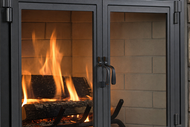
tempered glass vs ceramic glass fireplace
Upgrade your fireplace with glass that is matched to how your firebox actually works. Whether you need tempered fireplace glass for a protective screen, replacement tempered glass for fireplace doors, or high-heat ceramic glass for direct flame exposure, the right choice protects the look, function, and safety of your fireplace setup. This page helps you compare both options, understand where each belongs, and take the next step toward a properly sized replacement panel.
Which fireplace glass is right for your setup?
The right glass depends on where the panel sits, how hot it gets, and whether it may face direct flame. Tempered glass is commonly used for fireplace doors and screens that sit in front of an open masonry fireplace, while ceramic glass is the better fit for many wood stoves, inserts, and sealed heating appliances where the glass is exposed to intense heat. If you are comparing tempered glass vs ceramic glass fireplace options, start with your fireplace type and the manufacturer’s requirements before choosing a replacement.
A decorative fireplace door, for example, may only need a strong tempered glass fireplace screen that helps contain sparks while the fire burns behind it. A stove door or sealed insert is different because the panel can become part of the combustion system and must tolerate higher sustained temperatures. When in doubt, match the original glass type or ask for guidance before ordering.
Built for the way your fireplace is used
Fireplace glass is not one-size-fits-all. A beautiful panel that works well in one installation can fail in another if the heat rating, size, or placement is wrong. That is why a product selection should be based on real use, not just appearance.
Tempered glass doors for fireplace openings are a practical choice when you want a clean finished look, spark protection, and easy visibility into the fire. Ceramic glass is chosen when the appliance demands a higher heat-tolerant panel, especially where the glass is close to the flame or part of a stove or insert door.
Choose based on these common needs:
- Open masonry fireplace doors: Tempered glass fireplace doors are often used as a front barrier when installed according to the door system’s instructions.
- Freestanding wood stoves: Ceramic glass is typically the appropriate option because the panel faces higher sustained heat.
- Fireplace inserts: Many inserts require ceramic glass, especially sealed or high-efficiency units.
- Decorative fireplace screens: A tempered glass fireplace screen may be suitable when the panel is positioned as a protective barrier rather than as a combustion-chamber window.
- Replacement panels: Replacement tempered glass for fireplace doors should match the original panel’s dimensions, edgework, and intended use.
Tempered fireplace glass for doors and screens
Tempered fireplace glass is heat-treated to make it stronger than ordinary glass and to help it break into small pieces if it fails. That makes it useful for many fireplace door and screen applications where the glass is not intended to sit directly in the hottest part of the firebox. It also offers a polished, clear look that works with traditional, transitional, and modern fireplace design ideas.
For homeowners updating a room, tempered glass fireplace doors can make the hearth feel more finished without hiding the fire. The glass keeps the view open, helps create a cleaner visual frame, and can reduce the exposed look of a dark firebox when the fireplace is not in use. It is especially useful when the goal is a neater living room, a more intentional surround, or a replacement for worn older panels.
Typical tempered glass product options may include:
- Clear glass for a classic, open view
- Bronze or gray tint when a softer look is desired
- Flat panels cut to the required size
- Finished edges for safer handling and a cleaner installation
- Replacement panels for compatible fireplace door frames
- Glass suited for screens or doors where direct flame contact is not expected
Tempered glass should not be treated as a universal fireplace solution. If your current panel is ceramic, if the glass sits very close to active flame, or if the appliance manual specifies ceramic, do not substitute tempered glass simply because it is available.

Ceramic glass for high-heat fireplace applications
Ceramic glass is made for demanding heat exposure and is commonly used in wood stoves, fireplace inserts, and other heating appliances that put the viewing panel close to active combustion. It is often chosen not for decorative preference alone, but because the appliance requires a material designed for higher temperatures than tempered glass can handle.
This matters because the glass in a stove or insert door is more than a viewing window. It may help maintain airflow, seal the firebox, and support the way the appliance burns. Replacing ceramic glass with the wrong material can create performance issues and a serious breakage risk.
Ceramic glass is the better direction when:
- The original panel was ceramic glass.
- The fireplace, stove, or insert manual calls for ceramic glass.
- The glass is exposed to direct flame or very high radiant heat.
- The door gasket seals against the glass.
- The unit is designed as a heating appliance rather than a decorative open fireplace door system.
The appearance can still be clean and attractive, but the main benefit is heat suitability. If your priority is safe function in a high-heat appliance, ceramic glass is usually the product to discuss first.
Product options and custom sizing
A fireplace glass order should begin with accurate measurements and the correct glass type. Small differences in size, thickness, corner shape, or edge finish can affect whether the replacement sits properly in the frame. If the panel is too tight, heat expansion may become a problem. If it is too loose, it may rattle, leak air, or fail to seal as intended.
When requesting a replacement, prepare these details:
- Fireplace, stove, or insert brand and model, if available
- Whether the existing panel is tempered or ceramic
- Exact width and height of the glass, measured carefully
- Glass thickness, if known
- Corner style, such as square or radius corners
- Edge finish requirements
- Whether the panel fits into a door, screen, insert, or stove
- A photo of the existing frame or broken panel, if available
Pricing depends on the glass type, dimensions, thickness, tint, edgework, quantity, and any custom finishing. Tempered glass is often selected for compatible door and screen replacements, while ceramic glass generally costs more because it is designed for higher heat applications. Rather than guessing from a generic price chart, request a quote based on your actual panel and fireplace type.
Benefits you can see every time you use the fireplace
The right fireplace glass improves more than the panel itself. It can make the entire fireplace area feel cleaner, safer, and more intentional. When the glass fits properly and matches the installation, the door opens and closes more smoothly, the fire remains visible, and the room keeps the design style you want.
Key benefits include:
- Clear fire viewing: Enjoy the flame without a bulky barrier blocking the hearth.
- A finished appearance: New glass can refresh older doors and support updated fireplace design ideas.
- Better fit for the application: Tempered and ceramic options let you choose based on actual heat exposure.
- Replacement flexibility: Custom sizing helps restore existing doors instead of replacing the full assembly.
- Cleaner presentation: New panels can remove the distraction of cracked, cloudy, or mismatched glass.
- Confidence in selection: Matching the glass to the fireplace type reduces the risk of choosing the wrong material.
Imagine an older living room fireplace with scratched, smoky panels and brass-trim doors. Replacing the worn panels with properly sized tempered glass can make the whole surround look sharper without changing the mantel, tile, or firebox. In a wood stove, however, replacing a cracked panel with ceramic glass preserves the function of the appliance while restoring the clear view of the fire.
Safety, fit, and installation guidance
Before ordering, confirm the glass type your fireplace requires. Do not rely on appearance alone, because tempered and ceramic glass can look similar once installed. The safest path is to check the product manual, inspect the original panel markings if present, or ask for help identifying the correct replacement.
Follow these practical guidelines:
- Let the fireplace cool completely before measuring or removing glass.
- Wear gloves when handling cracked or broken panels.
- Measure the frame opening and existing glass carefully.
- Do not force a replacement panel into a tight frame.
- Replace worn gaskets or clips if the appliance requires them.
- Never use standard window glass in a fireplace door, stove, or insert.
- Follow the fireplace or appliance manufacturer’s instructions.
Installation may be simple for some fireplace door panels, but sealed stoves and inserts can require more care. If the glass is part of a gasketed door, the panel must be seated correctly so the unit functions as designed. Professional installation is a smart choice when the frame is damaged, the unit is unfamiliar, or the appliance has specific sealing requirements.
A clean upgrade for classic and modern fireplaces
Fireplace glass also shapes the style of the room. Clear tempered glass doors for fireplace openings work well when you want the fire to remain the focal point. Tinted glass can soften the look of the firebox and coordinate with darker metal finishes, stone surrounds, or contemporary interiors.
For design-driven projects, think about the full fireplace area rather than only the glass. A simple glass replacement may pair well with fresh hardware, a cleaned surround, updated tools, or a more minimal screen. These fireplace design ideas keep the upgrade practical while making the hearth feel deliberate instead of patched together.
Request the right fireplace glass quote
If you need tempered fireplace glass, ceramic fireplace glass, or replacement tempered glass for fireplace doors, start with the details of your fireplace and how the glass is used. A correct recommendation depends on heat exposure, placement, size, and the original product requirements.
Send your measurements, photos, and fireplace type to request a quote. You will get a clearer path to the right glass, whether you are refreshing tempered glass fireplace doors or replacing a high-heat ceramic panel for a stove or insert.