
Fireplace Design Ideas: Modern, Stone & TV Walls
Posted by United Fireplaces on Aug 19th 2026
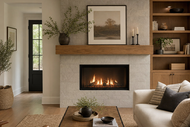
Creative Fireplace Design Ideas for Homes
A fireplace can shape the entire mood of a room, whether it is a quiet architectural feature or the dramatic center of daily life. The best fireplace design ideas balance heat, style, safety, storage, seating, and the way your household actually uses the space. Use these ideas as a practical starting point for choosing materials, layouts, and finishes that feel current without losing comfort.
Which fireplace style fits your home best?
The right fireplace style depends on the room’s architecture, the amount of visual weight you want, and whether the fireplace must share space with a TV, shelving, art, or built-in storage. A sleek wall-mounted unit may suit a compact modern living room, while a thick stone surround can make a vaulted room feel grounded and inviting. If you are comparing modern fireplace ideas with rustic fireplace designs, start by deciding whether you want the fireplace to blend in, stand out, or define the entire wall.
Before choosing finishes, look at the scale of the room. A tiny mantel on a tall wall can feel lost, while an oversized surround in a small room may crowd the furniture. Also consider maintenance, local building codes, ventilation needs, and whether you are updating an existing fireplace or planning a new installation. Good design starts with the look, but it succeeds because the details fit your space.
Helpful starting points:
- Choose a focal point: fire, TV, stonework, art, or built-ins.
- Match the material weight to the room size.
- Keep walkways clear around the hearth and seating.
- Use noncombustible materials where required.
- Plan power, cable routing, and wall blocking before finishing the wall.
- Repeat colors or textures from the room so the fireplace feels intentional.
1. A floor-to-ceiling stone fireplace creates instant presence
Floor-to-ceiling stone is one of the most timeless stone fireplace design ideas because it gives the wall height, texture, and permanence. It works especially well in rooms with vaulted ceilings, tall windows, or open floor plans where a smaller surround might disappear. The uninterrupted vertical surface draws the eye upward and makes the fireplace feel like part of the architecture rather than a decorative add-on.
For a refined look, choose limestone, travertine, slate, or a smooth-cut veneer with minimal grout contrast. For a more relaxed style, irregular fieldstone or stacked stone brings movement and natural variation. These fireplace stone design ideas can be adapted to modern, transitional, rustic, or lodge-inspired homes simply by changing the stone shape, color, and mantel style.
2. A minimalist linear fireplace keeps the room clean and modern
A long, low linear fireplace is ideal for homeowners who want modern fireplace ideas without heavy ornamentation. The horizontal shape pairs well with low-profile sofas, floating cabinets, and wide media walls. Instead of relying on a bulky surround, this design uses clean lines, flush finishes, and balanced proportions.
This approach works best when the surrounding wall is intentionally simple. Large-format tile, smooth plaster, concrete-look panels, or a painted chimney breast can keep the design calm. If the room needs warmth, soften the modern look with wood shelving, textured rugs, linen upholstery, or warm neutral paint.
3. A fireplace and TV wall solves two focal points at once
Fireplace and tv wall design ideas are popular because many living rooms need both ambiance and everyday media function. The challenge is making the wall feel planned instead of crowded. A successful layout gives each feature enough space and prevents the TV from looking like an afterthought above the firebox.
One option is to center the TV above a low linear fireplace and frame both with cabinetry. Another is to place the TV to one side and balance it with shelves, art, or storage on the other. For fireplace and tv design ideas that feel polished, hide wires, check heat clearance, use appropriately sized screens, and avoid mounting the TV so high that viewing becomes uncomfortable.
4. A rustic stone hearth brings warmth and character
Rustic fireplace designs are not limited to cabins. They can make a suburban living room, farmhouse, or basement lounge feel more relaxed and lived-in. A deep hearth, textured stone, reclaimed wood mantel, and warm lighting create a gathering place that feels comfortable even when the fire is not lit.
Rock fireplace design ideas work especially well here because natural shapes add personality. Choose rounded river rock for a softer look, rugged fieldstone for a mountain feel, or mixed-size stone for an organic finish. Keep the rest of the room balanced with simple furniture so the fireplace remains charming rather than visually chaotic.
5. A plaster fireplace surround feels soft and sculptural
Plaster, limewash, and smooth stucco-style finishes are excellent choices when you want texture without busy pattern. This style can read Mediterranean, modern organic, or minimalist depending on the shape of the surround. Soft corners and a thick chimney breast can make the fireplace feel handcrafted and architectural.
A plaster surround is also a strong alternative when stone feels too heavy. Pair it with a flush firebox, a simple hearth, and minimal trim for a serene look. Warm white, sand, clay, mushroom, and muted gray tones help the fireplace blend with natural wood, woven textures, and casual seating.
6. Built-in shelving turns the fireplace into a useful feature wall
Built-ins make a fireplace work harder, especially in family rooms where storage matters. Shelves can hold books, baskets, ceramics, speakers, or seasonal decor, while closed cabinets hide games, remotes, blankets, and media equipment. The key is to leave breathing room around the firebox so the wall does not feel overfilled.
For a classic look, use symmetrical shelving on both sides. For a more modern layout, try asymmetrical shelves with one tall cabinet, one open display area, and a simple fireplace surround. Paint the built-ins the same color as the wall for a quiet effect, or use wood tones to add warmth and contrast.
7. A corner fireplace makes an awkward room feel intentional
Corner fireplaces can be difficult to furnish around, but they can also solve tricky layouts when designed thoughtfully. Instead of treating the corner as a compromise, make it a cozy angled feature with a clean surround, compact hearth, and seating that acknowledges the diagonal line. This works well in bedrooms, dens, small living rooms, and open spaces where wall space is limited.
To prevent the room from feeling lopsided, balance the opposite side with a console, chair, plant, or artwork. Keep the surround simple if the room is small. A corner fireplace should invite people into the space, not force every piece of furniture to face an awkward angle.
8. Tile gives the fireplace color, pattern, and personality
Tile is one of the most flexible fireplace design ideas because it can be subtle or expressive. Zellige-style tile adds handmade variation, porcelain slab creates a sleek surface, and patterned cement-look tile can turn a basic fireplace into a statement. Tile is also useful when you want to update a dated surround without committing to a full stone rebuild.
If the room already has bold furniture or rugs, choose a quieter tile with texture instead of strong pattern. If the room is neutral, the fireplace can carry more color. Deep green, charcoal, terracotta, navy, ivory, and warm taupe are all versatile options, depending on the mood you want.

9. A double-sided fireplace connects two spaces gracefully
A double-sided fireplace can divide rooms without fully closing them off. It is especially effective between a living room and dining area, bedroom and sitting area, or indoor and outdoor entertaining zone. The flame becomes visible from both sides, adding atmosphere while maintaining openness.
This design needs careful planning because the fireplace will be seen from multiple angles. Materials, trim, and furniture placement should make sense on both sides. A double-sided unit can feel sleek with glass and stone, or warmer with masonry, wood accents, and soft seating nearby.
10. A black fireplace surround adds contrast and drama
Black surrounds are a strong choice for homeowners who want a crisp, graphic focal point. Matte black tile, painted brick, dark stone, or metal panels can make the fire glow more dramatically. This idea works in modern, industrial, transitional, and even farmhouse interiors when balanced with lighter walls or warm wood.
The trick is controlling the amount of black. A full black fireplace wall can look sophisticated in a bright room, but it may feel heavy in a low-light space. If you want a softer version, use charcoal, dark bronze, blackened steel, or a black firebox paired with a lighter mantel.
11. A painted brick fireplace offers a budget-conscious refresh
When an existing brick fireplace feels dated but structurally sound, paint can create a major visual change. White, cream, greige, charcoal, or soft black can shift the style without removing the original masonry. This is often a practical route for homeowners who want an update but are not ready for new stone or tile.
Painted brick works best when the finish suits the rest of the room. White feels fresh and casual, black feels bold, and warm neutrals feel softer than stark cool tones. Because brick texture remains visible, the fireplace still has depth even after the color changes.
12. A wood mantel adds warmth to almost any fireplace
A mantel can change the personality of a fireplace more than many people expect. A thick reclaimed beam leans rustic, a slim oak mantel feels modern organic, and a painted mantel can support a traditional look. The mantel also creates a natural display ledge for art, mirrors, greenery, and seasonal accents.
Scale matters. A chunky mantel may overpower a narrow surround, while a thin mantel may look underwhelming on a large stone wall. Choose a finish that connects to flooring, ceiling beams, furniture legs, or cabinetry so the mantel feels integrated rather than random.
13. A raised hearth makes the fireplace more functional
A raised hearth adds seating, display space, and architectural definition. In a family room, it can become a casual perch during gatherings. In a rustic room, it can make a stone fireplace feel grounded and substantial.
The hearth material should coordinate with the surround while meeting safety requirements. Stone slabs, brick, tile, and concrete-look materials are common choices. Keep the hearth depth and edges comfortable for the room, especially if children, pets, or frequent foot traffic are part of daily life.
14. An outdoor-inspired stone fireplace makes interiors feel grounded
Some of the strongest fireplace design ideas 2026 lean into natural texture, calm colors, and indoor-outdoor comfort. An outdoor-inspired stone fireplace brings that feeling inside without making the room look themed. Think natural stone, warm wood, deep seating, layered lighting, and organic textiles.
This look works well in homes with large windows, garden views, or earthy color palettes. Use stone with visible texture, but keep surrounding furniture simple and comfortable. The result is a room that feels connected to nature while still polished enough for everyday living.
15. A compact fireplace adds charm to small rooms
Small rooms do not need oversized fireplaces to feel special. A compact gas, electric, or decorative fireplace can add mood to a bedroom, office, reading nook, or apartment living area. The best small-space designs keep the surround slim and avoid bulky details that steal floor area.
Wall-mounted electric units, narrow tile surrounds, and simple mantels are practical choices when space is limited. Add a nearby chair, soft lighting, or a small built-in bench to create a cozy destination. Even a modest fireplace can make a room feel finished when the proportions are right.
Smart finishing details make the design feel complete
The fireplace itself matters, but the surrounding details often determine whether the room feels cohesive. Lighting, furniture placement, art, storage, and trim all influence how the fireplace is experienced. Treat the whole wall as one composition instead of selecting the firebox first and decorating around it later.
Use this checklist before finalizing a design:
- Confirm clearance requirements for the fireplace type and materials.
- Decide whether the TV, artwork, or fire should be the main focal point.
- Choose a surround material that suits the room’s scale.
- Plan hidden wiring if media equipment is involved.
- Coordinate mantel color with flooring, beams, or cabinetry.
- Layer lighting so the fireplace wall looks good at night.
- Keep decor edited so stone, tile, or plaster can stand out.
- Leave enough seating distance for comfort and safety.
Where should you start when choosing between these ideas?
Start with the room’s biggest constraint: layout, wall size, budget, existing materials, or the need to include a TV. Once that is clear, narrow your options by style. Modern fireplace ideas usually benefit from cleaner lines and fewer materials, while rustic fireplace designs can handle more texture, deeper hearths, and natural wood accents.
If you love stone, compare several fireplace stone design ideas in the actual room light before committing. If you need a media wall, solve viewing height, wiring, and heat clearance early. The most successful fireplace is not simply the most dramatic one; it is the one that makes the room easier to use, more comfortable to gather in, and more beautiful every day.